All Categories
Featured
When You Wish To Claim The 30% Federal Tax Credit For Sol...
Preventing Costly Mistakes When Hiring Virginia Solar Pan...

Will Washington DC Solar Panel Installation Companies Help You Conserve Money?
Table of Contents
- – Your Route To Locating Quality Washington DC So...
- – Determining Your Roof Suitability For A Solar ...
- – Comparing Service Capacity Standards For Washi...
- – Why You Should Never Skip The 3 Quote Minimum ...
- – What Does A 25–30 Year Panel Lifespan Mean For...
- – How Can You Effectively Evaluate The Warranty ...
Your Route To Locating Quality Washington DC Solar Panel Installation Companies
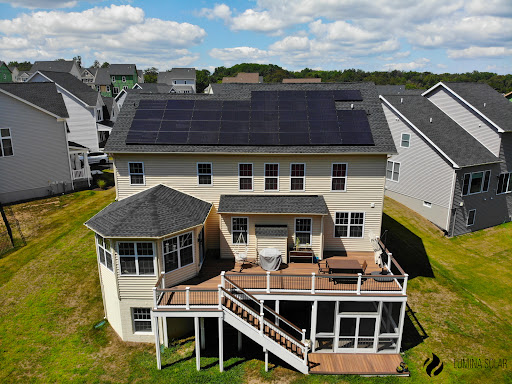
Exploring the options among Washington DC Solar Panel Installation Companies requires a careful balance between upfront investment and the lasting financial benefits of clean energy production. With a typical 9.63 kW system typically costing between $24,828 and $33,590 before incentives, you must weigh the professional reputation of your chosen contractor against the particular performance guarantees they offer. Finding a reliable solar panel installation company in Washington DC is crucial, as the caliber of your interconnection and the precision of your system sizing directly influence your eventual payoff period. When you assess Washington DC companies specializing in solar panel installation, you should consider whether their quote includes support for Solar Renewable Energy Credit registration and long-term maintenance. Who are the top solar panel installation companies in Washington DC? By evaluating Washington DC solar panel installation companies reviewed and compared against your unique roof eligibility and energy goals, you will acquire the clarity needed to make a confident, financially sound decision for your home.
“The lifespan of solar panels largely depends on the quality of components used to produce the solar panels just as with any other equipment.” — Lumina Solar
Determining Your Roof Suitability For A Solar Panel Installation: How To Select A Provider In Washington DC
Choosing an provider in Washington DC based on roof readiness requires confirming how well an firm evaluates the physical constraints of your property before finalizing a project. A specialist site evaluation is the essential first step, as the efficiency of your solar panel installation is directly linked to the geometry and structural integrity of your home.
“One and Two Family Residential Permits must meet or exceed the DC Residential Code, 2017 and the 11 DCMR Zoning Regulations of 2016.” — dob.dc.gov
When you gauge potential partners, you should prioritize those who offer a detailed site assessment report. Understanding these environmental variables will help you determine which firm is best prepared to manage your specific layout:
- Orientation: South-facing roofs typically capture the most sunlight, though east- or west-facing surfaces may remain suitable for energy generation.
- Pitch and Slope: The incline of your roof influences the mounting hardware required and the overall energy yield of the panels.
- Shading Factors: Nearby trees, chimneys, or neighboring buildings can significantly reduce output, requiring specialized panel placement or micro-inverter solutions.
- Structural Condition: The age and load-bearing capacity of your roof must be verified to ensure it can sustain the weight of the panels for their 25 to 30-year lifespan.
A reputable solar company will never offer a firm offer without first checking these conditions, as failing to consider roof obstructions often results in performance deficiencies. Ask each candidate to supply a sun-exposure analysis of your roof during the initial site visit to ensure their projections correspond with your actual property conditions.
When reviewing Washington DC Solar Panel Installation Companies, you must consider the typical solar system installation cost of $24,828 to $33,590 against the long-term benefits of net-metering and the profitable Solar Certificate market. You should speak with a Washington DC solar power companies to check local certification and examine exactly what each bid covers regarding contractor warranty, roof suitability, and the potential addition of storage system costing $7,000 to $18,000. While a shorter payoff period often favors high-efficiency systems, you must balance these upfront expenses with the 25 to 30 year operational lifespan of your equipment and the specific qualification requirements of the Solar For All Program. Ultimately, your selection of vendor depends on balancing a competitive price per watt—ideally between $3.00 and $3.40—with the reliability of their utility connection process and the thorough nature of their service capacity.
Comparing Service Capacity Standards For Washington DC Solar Panel Installation
Finding a reliable solar panel installation company in Washington DC is often determined by the contractor's ability to provide long-term, localized support for the 25 to 30 year operational lifespan of your equipment. A company that maintains a lasting, nearby field crew is generally better positioned to provide rapid repairs, inverter replacements, or mounting modifications than an organization that depends on third-party subcontractors or distant regional teams.
“DOB is dedicated to completing Solar Plan Reviews within 10 business days.” — dob.dc.gov
When you assess the service capacity of an firm, consider how their operational model impacts your ongoing maintenance needs:
| Service Feature | Local In-House Crews | Outsourced or Remote Labor |
|---|---|---|
| Response Time | Typically 24–48 hours for pressing repairs | Often postponed by travel or shipping logistics |
| Technical Accountability | Direct responsibility for workmanship | Possible gaps in warranty enforcement |
| Local Knowledge | Profound acquaintance with local construction codes | Variable quality and code conformity |
While an solar company using localized, in-house labor might bear a somewhat higher upfront cost, this is often offset by minimized downtime and quicker resolution of performance issues. In contrast, installers that subcontract labor may provide a lower initial quote, but you should balance this against the possibility for delayed repairs if a system failure occurs years down the line. Confirm whether the service team is directly employed by the provider to guarantee they remain responsible for the system's performance throughout its whole life.
Ask prospective installers to define their specific service radius and provide a written guarantee regarding their maximum response time for emergency system failures.
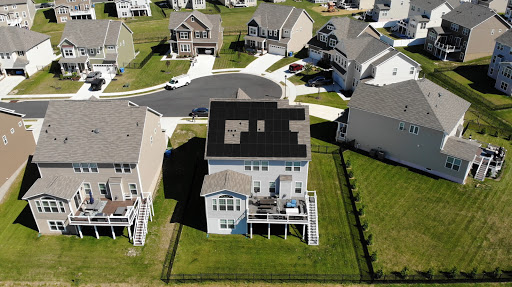
Why You Should Never Skip The 3 Quote Minimum For Washington DC Solar Panel Installation
Getting 3 quotes minimum recommended is the best efficient way to ensure you are comparing Washington DC Solar Panel Installation Companies on an equal basis regarding the full project scope. Because a total project price frequently varies from $24,828 to $33,590, you must verify that each proposal provides a granular itemization of costs rather than a single lump sum, which can hide thousands of dollars in additional expenses.
“DC Code Section 29-943 limits condo association restrictions on solar installations — associations cannot effectively prohibit solar installations on owner-exclusive areas (rooftops).” — propertyzoned.com
When you assess who are the top photovoltaic installation companies in Washington DC, you should verify that their paperwork itemizes the following administrative and logistical needs to avoid unexpected out-of-pocket costs:
- Permitting fees and municipal inspection costs
- Utility utility connection filing and clerical processing
- Solar Certificate registration support and account administration
- Location preparation, incorporating roof constructional reinforcement if necessary
- After-installation aftercare and system surveillance configuration
If an solar company omits these specific line items from the total price, you may be left responsible for the associated fees during the final stages of the project. A thorough offer ensures that the $3.00 to $3.40 per-watt average reflects the totality of the work rather than just the hardware. Always compare these line items side-by-side to ensure one company isn't intentionally omitting permitting or registration fees to appear more competitive than their competitors.
Review the small print of each proposal to confirm that administrative filing fees are included in the final price rather than billed as additional service charges after the contract is executed.
What Does A 25–30 Year Panel Lifespan Mean For You?
A 25–30 year panel lifespan is the standard functional duration you can expect when working with Washington DC companies specializing in solar panel installation. This extended period defines the window during which your equipment creates consistent clean electricity, offers a hedge against rising utility costs, and continues to generate Solar Renewable Energy Credits that add to your financial return.
“NREL's most recently published data indicates that panels typically experience a median reduction in power output of 0.5% – 0.7% per year with up to a 1% degradation in the first year.” — trilectsolar.co.nz
While the hardware is engineered for long-term longevity, the actual performance over these decades depends on several variables that influence how well the system preserves its efficiency. You should evaluate the following variables when analyzing the long-term viability of your solar system installation:
- Degradation Rates: Most modern panels forfeit a small percentage of their output capacity annually, usually ranging from 0.3% to 0.5%.
- Environmental Exposure: Local climate conditions, including high wind events or heavy debris accumulation, can affect the structural integrity of mounting hardware over time.
- Inverter Lifecycle: While panels often last 25 to 30 years, the power inverter—the component that transforms direct current to usable alternating current—frequently requires replacement or servicing at the 10- to 15-year mark.
- Maintenance Requirements: Periodic cleaning and electrical inspections are necessary to ensure the system output remains within expected performance parameters throughout its life.
Examine the particular degradation warranty offered by your selected solar company to ensure it corresponds with the expected 30-year performance curve of your equipment.
How Can You Effectively Evaluate The Warranty Coverage Offered By Washington DC Solar Panel Installation Companies?
Warranty protection options provided by Washington DC solar panel installation companies reviewed and compared are defined by the distinction between manufacturer equipment warranties and the contractor warranty covering the physical installation. While equipment performance guarantees typically span 25 years to ensure the panels reach their expected operational lifespan, the labor warranty serves as your primary safeguard against errors in mounting, wiring, or roof penetrations. Because these agreements differ substantially in duration and scope, you must evaluate the following components of a standard protection plan:
| Coverage Type | Typical Duration | Primary Focus |
|---|---|---|
| Manufacturer Warranty | 25 Years | Equipment productivity and hardware flaws |
| Workmanship Warranty | 5 to 25 Years | Setup standard and labor-related issues |
| Price-Match Guarantee | Varies | Strategic alignment on total project estimate |
Some installers differentiate themselves by offering extended workmanship warranties that match the 25-year manufacturer performance guarantee, while others limit labor coverage to shorter terms. You should also verify whether a potential contractor includes a price-match guarantee, which enables you to utilize a lower, equivalent written offer from a competitor to possibly reduce your total expenditure. When evaluating these offers, examine the fine print regarding service call response times, as a long warranty period provides little advantage if the provider lacks the local capacity to address defects promptly.
Review the exact terms of the workmanship warranty in your contract to confirm whether it covers the full price of labor and parts for any required fix-ups or replacements.

Table of Contents
- – Your Route To Locating Quality Washington DC So...
- – Determining Your Roof Suitability For A Solar ...
- – Comparing Service Capacity Standards For Washi...
- – Why You Should Never Skip The 3 Quote Minimum ...
- – What Does A 25–30 Year Panel Lifespan Mean For...
- – How Can You Effectively Evaluate The Warranty ...
Latest Posts
When You Wish To Claim The 30% Federal Tax Credit For Solar Panel Installation
Preventing Costly Mistakes When Hiring Virginia Solar Panel Installation Companies
How Should You Select The Best Pennsylvania Solar Panel Installation Companies?
More
Latest Posts
When You Wish To Claim The 30% Federal Tax Credit For Solar Panel Installation
Preventing Costly Mistakes When Hiring Virginia Solar Panel Installation Companies
How Should You Select The Best Pennsylvania Solar Panel Installation Companies?